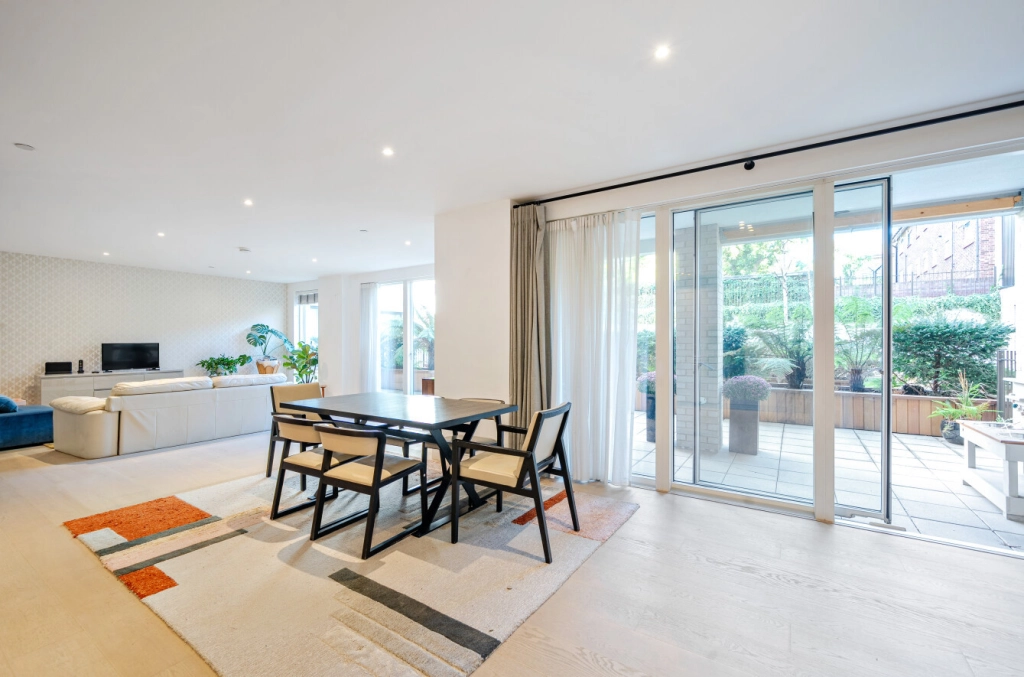
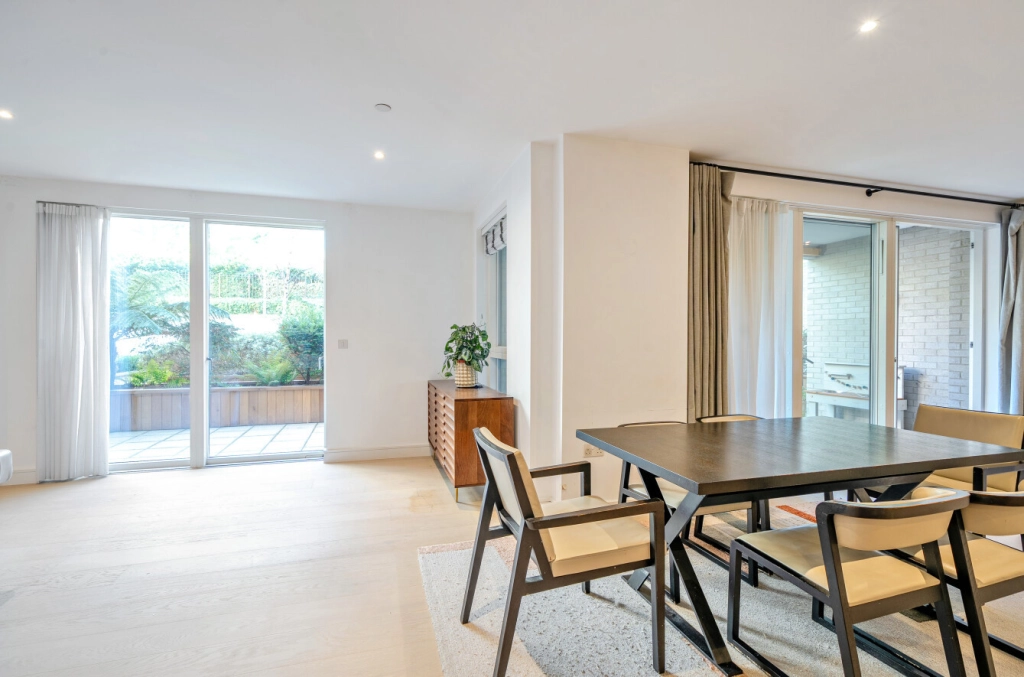
£966 a month. You see that figure on the listing and something in your chest tightens. Nearly a thousand pounds, every month, on top of the mortgage and the council tax. Your finger is already moving toward the back button.
You're Comparing It to the Wrong Number
But here's the thing. You're comparing £11,592 to zero. You're imagining a freehold house where none of these costs exist. That house doesn't exist either. In a freehold, you still pay for building insurance, garden maintenance, structural repairs, window cleaning, and everything else. You just pay for it in scattered, unpredictable amounts that never show up on a single statement. So you never add them up. Therefore you assume they're smaller. They're not.
The service charge isn't a cost bolted on to your home. It's the cost of running your home, made visible. And when you compare it to what you'd actually spend running a freehold to the same standard, not to the fantasy of running nothing, the number changes shape.
What the Money Actually Buys
1. Concierge & Security: £4,000/yr freehold equivalent
You're at work. Three parcels arrive. A plumber comes to fix a leak in the flat above. A contractor needs access to the meter cupboard. In a building without a concierge, those parcels sit in the hallway or go back to a depot in Wembley. The contractor buzzes random flats until someone lets him in. The front door gets propped open with a brick.
At The Avenue, none of that happens. The concierge collects your parcels while you're out, meets the plumber, verifies the contractor. You come home and collect everything from a person, not a pile. The front door has never been propped open. It's the kind of thing you stop noticing, until you stay somewhere that doesn't have it.
A concierge doesn't add a presence. It creates an absence, an absence of small problems that would otherwise land on you. The freehold equivalent (secure parcel lockers, smart locks, hoping nothing goes wrong while you're out) runs to at least £4,000 a year. And it still doesn't match having a person there.
2. Private Fitness Centre: £2,400/yr freehold equivalent
You know the gym membership you pay £80 a month for and use three times in January? That's the most expensive gym in London. The cheapest one is the gym that's 30 seconds from your front door via a lift, the one you actually use five times a week because the only barrier is putting on trainers.
A gym 15 minutes away means packing a bag, changing shoes, walking there, walking back. Forty minutes of logistics wrapped around thirty minutes of exercise. Therefore most people stop going. But a gym in your building? That you use. For a couple, a decent London gym costs £2,400 a year. The apartment service charge NW6 residents pay at The Avenue includes a private fitness centre that removes the only real obstacle to working out: getting there.
3. Buildings Insurance: £800–£1,000+/yr freehold equivalent
In a freehold, buildings insurance is your problem. You're meant to review it every year, adjust the rebuild value for inflation, compare quotes. Most people do none of this. Then a pipe bursts and they discover the policy lapsed three months ago. Or the rebuild value they declared in 2019 is now 30% too low.
At The Avenue, the insurance is professionally managed, automatically renewed, correctly valued. You never miss a deadline. You never find out you're underinsured after a claim. Insurance you don't have to think about is worth more than insurance you do. Freehold equivalent: £800 to £1,000 a year, depending on how diligent you are. Most people aren't.
4. Window Cleaning & Communal Maintenance: £1,000/yr freehold equivalent
Hallways, stairwells, exterior windows, lighting, lift maintenance. In a freehold, you either do this yourself or pay someone and then manage them. Most freehold owners let things slide until it gets embarrassing, then spend a lot all at once. The service charge keeps the building in continuous good condition. No oscillating between presentable and neglected. Freehold equivalent: about £1,000 a year.
5. Grounds & Gardens: £1,500/yr freehold equivalent
Gardens look wonderful in June. They look considerably less wonderful in November, after three weekends of rain, when the lawn is a swamp and the hedge has plans of its own. The Avenue's grounds are maintained year-round by professionals. You get the view. You don't get the mud, the leaf-blowing, or the forty-variety gravel crisis. A fortnightly gardener for a freehold runs about £1,500 a year. And you still have to manage them.
6. Sinking Fund (Reserve Fund): £1,500/yr freehold equivalent
Most buyers skip this line item. It's the most important one.
The sinking fund is a reserve for major works: roof replacement, lift overhaul, exterior redecoration. You contribute a modest amount every year. Therefore, when a £25,000 repair is needed fifteen years from now, the money is already there. Nobody gets a shock. Nobody finds five figures at short notice.
In a freehold, there is no sinking fund. There's just the day the boiler dies or the roof starts leaking, and you reach for your savings, or, more honestly, your credit card. Equivalent annual contribution if you were disciplined enough to save it yourself: £1,500.
Service Charge vs. Freehold: Add It Up
Take each component of the leasehold service charge at The Avenue. Price it as if you were a freehold owner paying for the same thing yourself. Then add them up.
| Service | Freehold Equivalent Cost |
|---|---|
| Concierge & security | £4,000/yr |
| Private fitness centre (couple membership) | £2,400/yr |
| Buildings insurance | £800–£1,000/yr |
| Window cleaning & communal maintenance | £1,000/yr |
| Grounds & gardens maintenance | £1,500/yr |
| Sinking/reserve fund contribution | £1,500/yr |
| Total freehold equivalent | ~£11,400/yr |
| Actual service charge at The Avenue | £11,592/yr |
| Net premium for managed living | ~£192/yr (£16/month) |
£16 a month. That's the net premium for having all of this managed for you. Less than a Netflix subscription. Less than two pints at The Salusbury. The apartment service charge NW6 buyers see on the listing tells one story. This table tells a different one.
990 Years. Not a Misprint.
Short leases are a real problem. Anything under 80 years can knock 10 to 20 percent off a property's value, make mortgages difficult, and generate five-figure extension costs. Hundreds of thousands of leaseholders across England and Wales deal with this. You don't have to.
The lease at 5 The Avenue is 990 years. When it was written, William the Conqueror hadn't arrived yet. Banks treat it as functionally identical to a freehold. No extension costs. No negotiations with a freeholder. No wasting-asset anxiety. You get every advantage of leasehold management (professional maintenance, shared costs, a sinking fund, a concierge) with none of the lease-length risk that makes leasehold a dirty word.
Ground rent is £745 a year. Fixed. No doubling clauses, no RPI-linked escalators, none of the traps that have made headlines. £745, every year, for the duration of the lease. Known in advance. No surprises.
Lock Up and Leave
Every analysis of a service charge accounts for money. Almost none of them account for time.
If you own a freehold house in London, you are, whether you wanted the job or not, a part-time facilities manager. You compare boiler cover quotes. You chase the gutter cleaner who didn't turn up. You spend Saturday mornings waiting for a plumber who said he'd arrive "between nine and one." You manage the gardener, the window cleaner, the roofer, the electrician, the damp specialist. You file the paperwork. You remember the renewals.
That's 40 to 60 hours a year. If your time is worth £50 an hour, and for most buyers at this price point it's worth more, that's £2,000 to £3,000 in unpaid building administration. Therefore the service charge doesn't cost you £966 a month. It buys back £966 a month in time and headspace you'd otherwise spend being your own property manager.
This is what "lock up and leave" actually means. You're at work all day and the concierge handles the deliveries. The gardener maintains the grounds. The insurance stays current. You come home and nothing needs your attention. That absence of admin never appears on a spreadsheet. But it matters more than anything that does.
What to Check Before You Commit
Service charges can increase. Insurance premiums rise. Major repairs happen. Utility costs move. The £11,592 figure is the current charge. It is not a guarantee of what you'll pay in five or ten years.
So before you commit: ask to review the last three years' service charge accounts. They'll tell you whether costs have been stable, rising, or volatile. Ask about the sinking fund balance; a healthy reserve means fewer surprises. Ask whether any major works are planned in the next five years. Ask who manages the building and what their track record looks like. These aren't difficult questions. Any seller who resists providing the answers is telling you something important. Our moving guide covers more of the practical due diligence.
We're giving you this advice on a page designed to sell you this apartment. We'd rather you went in with clear eyes than discovered something uncomfortable after exchange. The maths will hold up. But don't take our word for it. Do the due diligence.
For the full monthly running cost breakdown including mortgage estimates, council tax, and utilities: complete property details →