The biggest destroyer of landlord returns is not mortgage rates or service charges. It is the 2am phone call. The tenant who vanishes mid-tenancy. The boiler that dies on Christmas Eve. The void period that stretches from two weeks to two months because demand in your area dries up when the economy wobbles.
Most investors approach the Queen's Park rental yield question backwards. They sort Rightmove by yield and decide a two-bed in Luton at 6.2% gross beats a three-bed in NW6 at 2.8%. On a spreadsheet, they are right. In practice, they are wrong, because spreadsheets have no column for hassle, and hassle compounds just as fast as interest.
Queen's Park NW6 delivers moderate yield, 2.5–2.8% gross on a property like this. But it also delivers something harder to measure: your asset holds its value, your tenant pays on time, and you do not spend Saturday mornings dealing with problems you did not sign up for.
Experienced landlords in London tend to move their portfolios towards prime and near-prime locations over time. Not because they cannot do the maths. Because they have done the maths, including the costs that never appear on a proforma. Zero void weeks. Reasonable maintenance requests. Tenants who look after a £3,000/month property the way you would. Rental demand in Queen's Park is structural, persistent, and resistant to downturns.
Queen's Park Rental Yield: The Real Numbers
At £1,350,000, a three-bedroom property in Queen's Park achieves between £2,800 and £3,200 per calendar month. Call it £3,000 as a realistic midpoint. That produces gross annual rental income of £36,000, giving a Queen's Park rental yield of 2.67% gross. Not a number anyone puts on a podcast.
But gross yield is a vanity metric. What matters is net yield: the money left after costs. Here is what costs look like:
Service charge: £11,592 per year. Ground rent (minimal on a 990-year lease): £745 per year. Landlord insurance: £600 per year. Maintenance allowance (modern build, budgeted conservatively): £1,500 per year. Management fees at 10–12% of rent: £3,600–£4,320 per year. Void allowance at two to four weeks: £1,500–£3,000. Gas safety certificate, EICR, EPC compliance: approximately £400 per year amortised.
Total annual costs with professional management: roughly £19,900–£22,200. That leaves net income of approximately £13,800–£16,100, a net yield of 1.0–1.2%. Self-manage (plausible at this price point, given the tenant quality), and net yield rises to around 1.3–1.5%.
Compare that to a Luton two-bed. Purchase price: £180,000. Rent: £900/month. Gross yield: 6.0%. Then you discover voids run at six to eight weeks per year, management fees are unavoidable because you are not driving to Luton to fix a tap, maintenance costs are higher on older buildings, and you re-let annually with fresh costs each time. Luton net yield, after real-world friction, often lands between 3.0% and 3.5%. The gap between 3.5% and 1.4% is real, but nowhere near the gap between 6.0% and 2.7% that headline figures suggest. And we have not discussed capital growth yet.
Who Pays £3,000 a Month to Rent Here, and Why Do They Stay?
The NW6 rental income story makes sense once you know who generates it. At £2,800–£3,200 per month for a three-bedroom property, you are reaching a specific group, and it is the group every landlord wants.
Professional sharers: three working adults splitting £3,000 three ways, which at £1,000 per person is competitive for Zone 2 London. Young families who want the space and schools of Queen's Park but are not ready to buy at £1.35 million. Maybe they are waiting on equity vesting, a second income returning after parental leave, or they are new to the area and want to test it first. Corporate relocations from media, tech, and finance firms accessible via the Bakerloo line, needing three-beds on 12-month contracts. International families drawn by nearby schools with strong reputations.
Census data shows 38.4% of households in the Queen's Park ward are privately rented. That is a deep, liquid rental market. Average tenancy length for three-beds at this price point in NW6 runs 18 to 24 months, often longer with families. Rental demand in Queen's Park at this level produces tenants who treat the property as their home. They hang pictures. They report small issues before they become big ones.
Capital Growth Changes the Maths
This is where buy-to-let NW6 shifts from modest to interesting. Queen's Park has delivered approximately 21.9% capital growth over the past five years, according to HM Land Registry data. On a property at £1,350,000, that is roughly £295,650 in equity gain, dwarfing several years of rental income combined.
Total return (rental income plus capital appreciation) changes the picture. A gross yield of 2.7% plus annualised capital growth of approximately 4% gives a total return of 6.7–7.0% per year before leverage. That is competitive with long-run equity market returns, with lower volatility and a 990-year lease underneath it.
With leverage, the numbers go further. A 25% deposit (£337,500) and a 75% LTV mortgage amplify your equity exposure. If the property appreciates 4% in a year (£54,000) that is a 16% return on your equity before rental income. Add net rental income and total return on equity can exceed 20% in a good year.
The caveat: past performance is not a guarantee. Property prices can fall. Leverage amplifies losses as well as gains. Interest rate movements can wipe out cash-flow yield on a leveraged property. Queen's Park property is not risk-free. Nothing is. But the combination of rental income, capital growth, tenant quality, and structural demand makes it an efficient investment, delivering high return relative to genuine hassle. Any honest Queen's Park landlord guide should say so plainly.
Annual Running Costs: Every Line Item
Gross yield means nothing without the costs behind it. Here is the full picture for a landlord running a three-bedroom buy-to-let in NW6 at The Avenue. Realistic estimates, not optimistic ones.
| Cost Item | Annual Estimate | Notes |
|---|---|---|
| Service charge | £11,592 | Covers concierge, gym, building insurance, communal gardens, common areas |
| Ground rent | £745 | Fixed on a 990-year lease |
| Landlord insurance | £500–£700 | Buildings covered by service charge; this is contents/liability/rent guarantee |
| Gas safety certificate (CP12) | £80–£120 | Required annually by law |
| EICR (electrical inspection) | £50–£80 | Required every 5 years; cost amortised annually |
| EPC | £30–£50 | Required every 10 years; cost amortised annually |
| Maintenance allowance | £1,000–£2,000 | Modern build reduces this; budget conservatively |
| Management fees (if managed) | £3,600–£4,320 | 10–12% of gross rent; optional if self-managing |
| Void allowance | £1,400–£2,800 | 2–4 weeks at £700/week |
| Total (managed) | £19,000–£22,410 | |
| Total (self-managed) | £15,400–£18,090 |
One cost worth flagging: Section 24. If you are a higher-rate taxpayer (40% or 45%), you can no longer deduct mortgage interest from rental income before tax. You get a 20% tax credit instead. At this price with a 75% LTV mortgage, the additional tax hit can run £3,000–£6,000 per year depending on marginal rate and mortgage size. Many landlords at this level now hold through limited companies (SPVs), though that brings its own costs. Talk to a property tax adviser; this is not an area for guesswork.
The net position, after all costs but before mortgage payments and tax, is approximately £13,600–£20,600 per year on gross rental income of £36,000. That is the real NW6 rental income figure.
When You Sell: Why Queen's Park Gives You More Options
Think about the exit before the entry. The question is not "can I buy this?" It is "can I sell this, to whom, and how fast?"
This is where buy-to-let NW6 carries an advantage that does not show up in yield comparisons. When you sell a three-bedroom property in Queen's Park, your buyers are not just other investors. They include owner-occupiers (families, professionals, downsizers) who make up the majority of purchasers in this market. You sell to people who want to live there, not just people chasing yield. That matters for price.
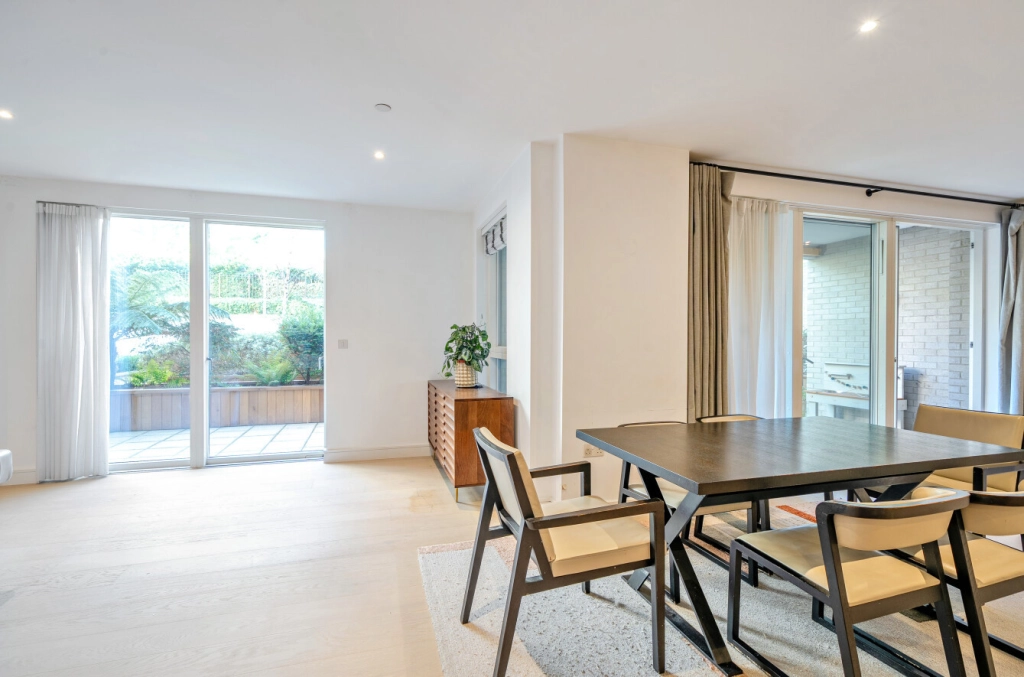
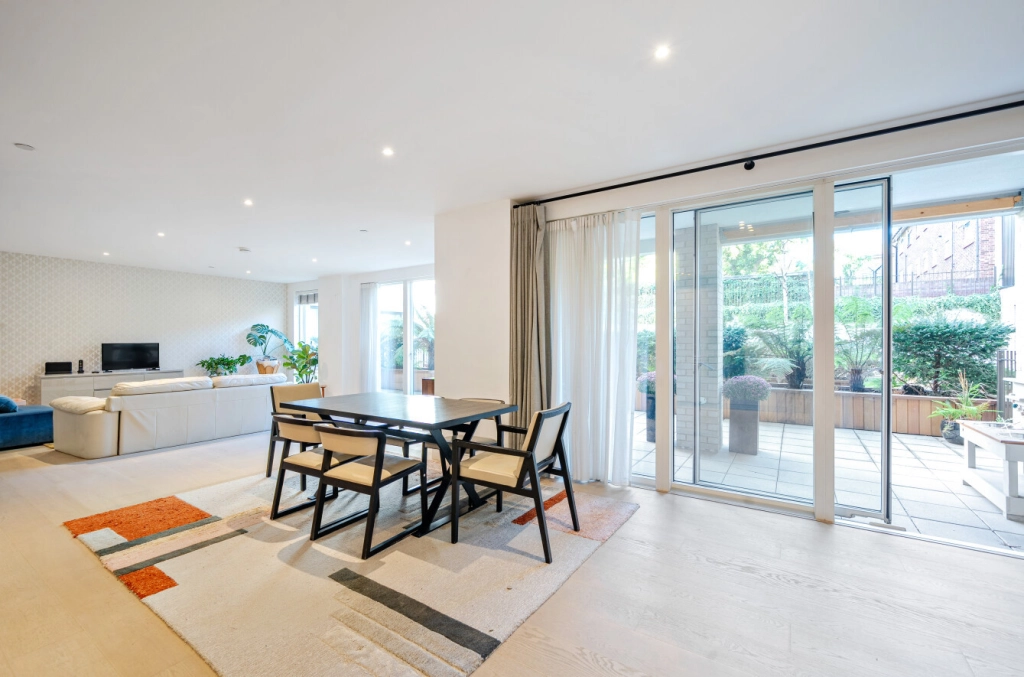
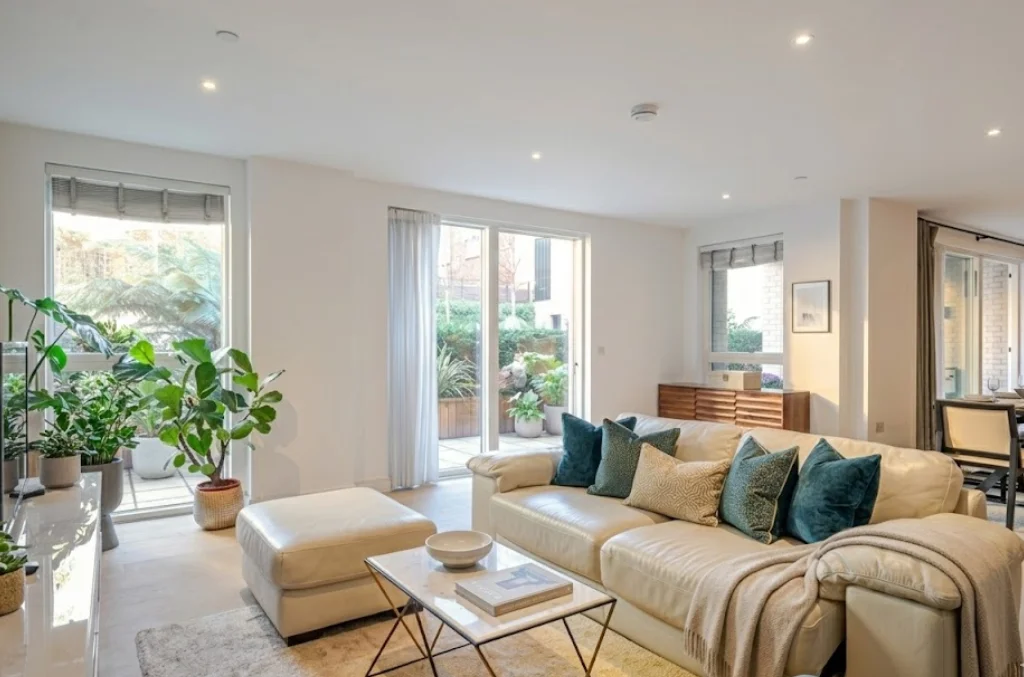
Three-bedroom properties with parking in NW6 are undersupplied. The Avenue's three bedrooms, three bathrooms, and allocated parking sit in a category where demand consistently exceeds what is available. That shows up in time-on-market data and in how often comparable properties achieve asking price or above.
Then there is the lease. At 990 years, it is functionally freehold. This matters at the point of sale because mortgage lenders restrict, or refuse to lend on, properties with leases below 80 years. A short lease shrinks your buyer pool to cash purchasers only. A 990-year lease removes the issue entirely. No buyer, lender, or surveyor will raise it. It costs nothing during ownership and saves you tens of thousands when you sell.
The best investments are the ones you can exit on your terms. With this specification and this lease, you are not dependent on market timing or yield cycles. You have a property that appeals to the widest buyer pool in one of northwest London's most resilient markets. Not a guarantee of profit. But about as close to a guarantee of liquidity as London residential property gets.